Organ-on-a-chip went from fringe science to what the FDA asks for
The FDA is now pushing back on animal-only submissions and requesting organ-chip and New Approach Methodology data instead.
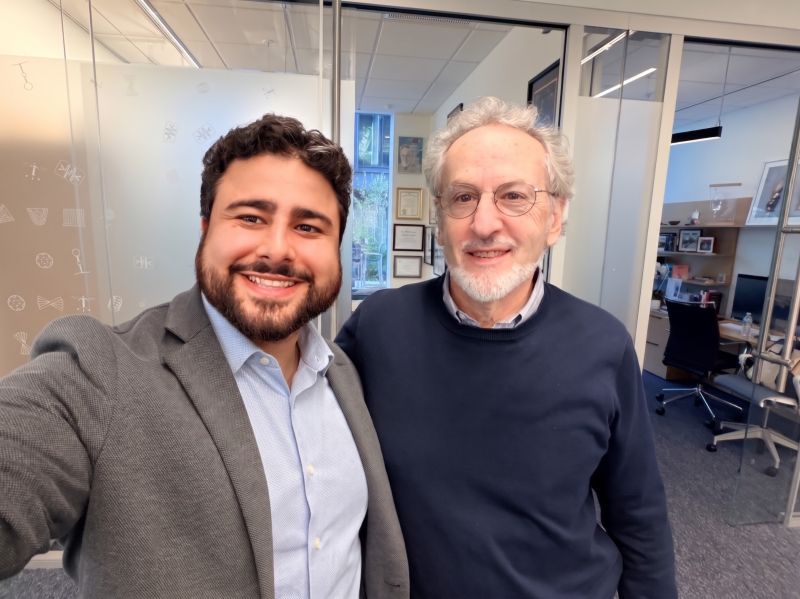
When Donald Ingber, M.D., Ph.D. submitted his breathing lung-on-a-chip to Science, they rejected it and told him to test it in mice first.
A functional human organ model had to prove itself in rodents before academic gatekeepers would take it seriously.
Catching up with Don at the Wyss Institute at Harvard University this week was a reminder of just how fast that world has flipped on its head.
Most people don't realize just how much of a commercial powerhouse the Wyss Institute has become. With just 12 Core and 14 Associate Faculty, the Wyss accounts for 25% of all of Harvard University's intellectual property startups every single year.
I have spent my career at the intersection of tech and bio, long before anyone gave it a clean acronym. Back then, talking about organ-on-a-chip platforms was treated like a fringe science experiment.
Animal testing was so entrenched as the default that true human tissue models were dismissed.
Today, that standard is coming full circle.
Over 90% of clinical trials fail because animal biology does not translate to humans. Now, the FDA is actively pushing back on animal-only submissions and requesting organ-chip and New Approach Methodology (NAM) data instead.
The work for founders and investors today is turning that breakthrough science into the validated standard global regulators and clinicians can trust every single day.
It is always incredible returning to Harvard. Spending time with mentors like Don will always feel like coming home to where the foundational questions got started.
Originally posted on LinkedIn.