100+ meetings at HLTH2026 and 5 hard realities
Buyers do not buy models. They buy workflows that save their staff two hours a day.
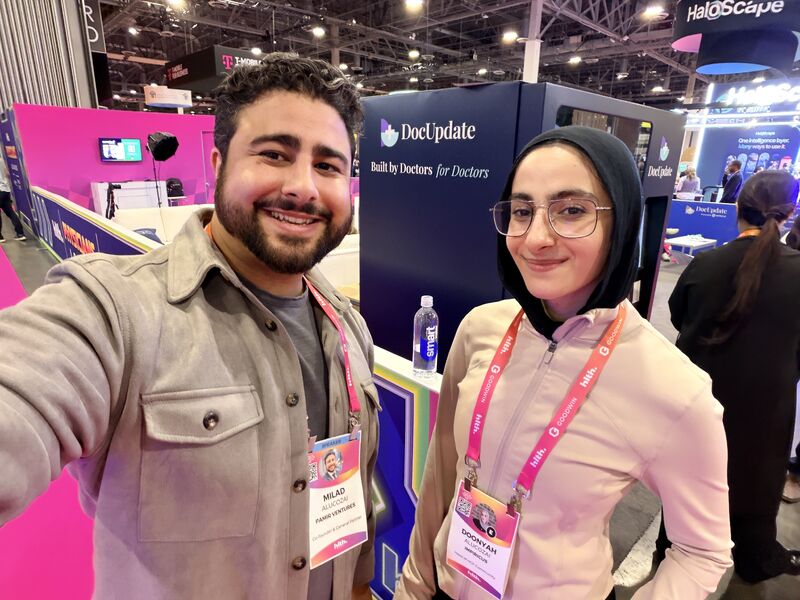
That is a wrap on HLTH2026! 100+ meetings in 4 days. My social battery is completely drained, but my conviction in healthcare is at an all-time high.
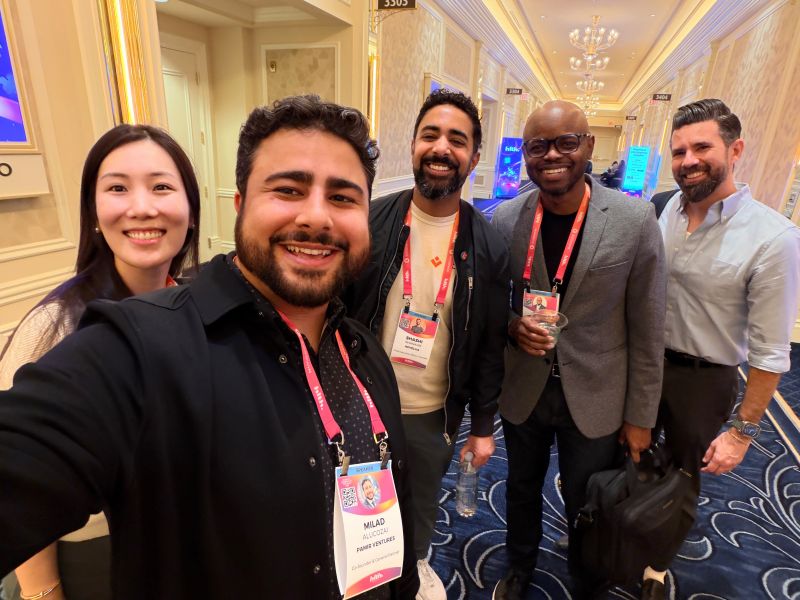
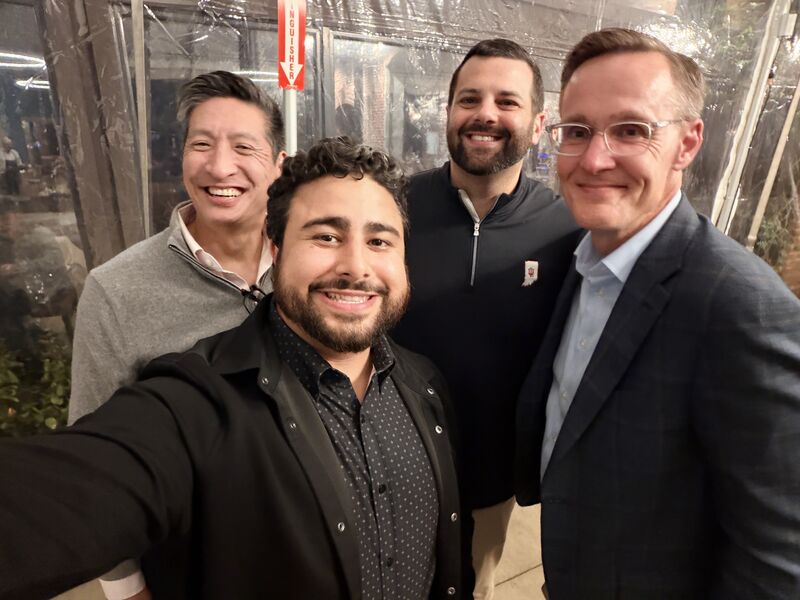
People always ask why I keep flying out to Las Vegas for this conference. The real answer is simple: it is the people. You run into old friends in every hallway, catch up with partners, and make new ones over coffee between sessions.
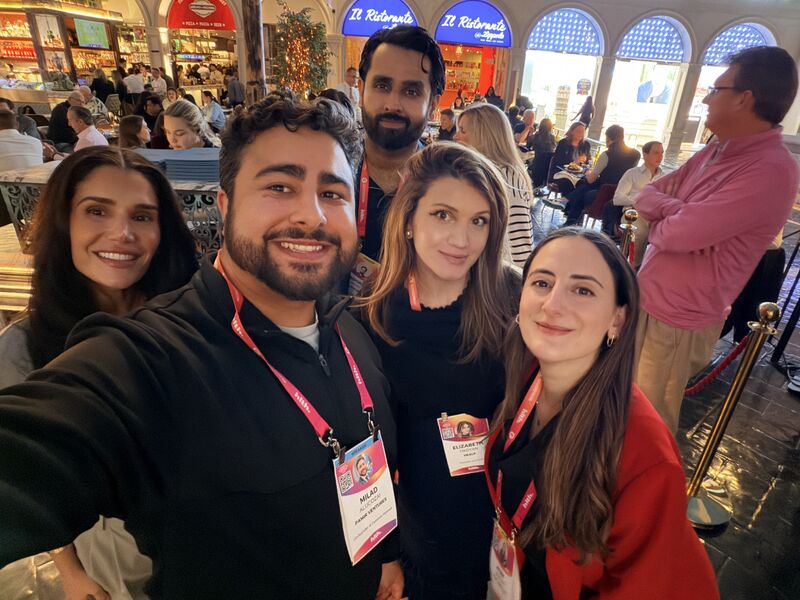
This year was especially personal. My sister Doonyah Alucozai was there on the floor representing DocUpdate powered by Impiricus. Watching family build practical tools directly alongside clinicians and industry partners was easily my highlight of the week.
HLTH always brings massive noise, but 100+ conversations with operators, founders, and clinicians made 5 hard realities obvious:
1. Slapping "AI" on a pitch deck is officially dead
In 2024, saying AI got you a term sheet. In 2026, if you cannot explain your product without saying AI, operators walk away. The hype has cleared. Buyers do not buy models. They buy workflows that save their staff two hours a day.
2. Build for the clinic floor, not the boardroom
Every year, software founders burn millions building gorgeous dashboards that doctors refuse to open. The winners are building tools alongside practicing clinicians from day one. If your product adds friction to a 12-hour shift, it will fail.
3. Reimbursement is your actual moat
Tech founders love talking about TAM and network effects. But in healthcare, CPT codes, fee schedules, and payer alignment dictate your survival. If you do not have a defensible, reimbursable economic model, you are building on borrowed time.
4. Operations and delivery are doing the heavy lifting
The biggest breakthroughs on the floor were not computational biology abstractions. They were unglamorous operational wins: clearing prior authorizations, fixing patient intake, accelerating time-to-treatment, and reducing physician burnout.
5. Distribution beats pure technology every time
Point solutions are getting squeezed out. The companies scaling right now are forming deep ecosystem partnerships, tying together clinical networks, health systems, and pharma to deliver actual care.
Conferences end, but the real work of fixing healthcare happens quietly on the ground.
Grateful for everyone I spent time with this week.
Originally posted on LinkedIn.
More from Pamir
All stories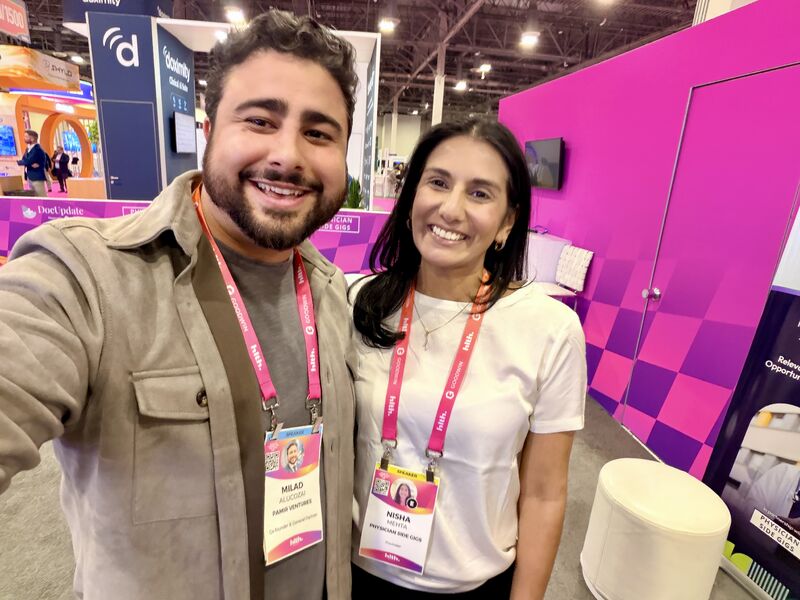 PerspectiveMilad AlucozaiClinicians are stepping into the arena to build healthcare
 PerspectiveMilad AlucozaiYou can fix messy data. You cannot fix missing data.
 PerspectiveMilad AlucozaiIndiana is a biomanufacturing juggernaut
 PerspectiveMilad AlucozaiOrgan-on-a-chip went from fringe science to what the FDA asks for